

Eat the Rich RPG (Week 4: Grocery Store Boycott)
A debate about taxes escalated much faster than anyone expected.
This is the latest post in a series on Eat the Rich, a research-based role playing game about class inequality that I’m running for my students this semester. If you’d like regular updates on this project, or you’re curious about other cool things I’m doing in the classroom, consider subscribing.1
We’re officially finished with the set-up phase of Eat the Rich. Moving forward, classes will be divided into four phases:
Game update: a brief narrative description of what has been happening in the game.2 This update often includes goals or benchmarks factions should be trying to reach that day.
Huddle phase: time for players to plan, strategize, and coordinate with other members of their faction, negotiate with other factions, and decide how they want to respond to the events described in the game update.
Action phase: time for players to address the entire class and announce major actions. In Eat the Rich, a major action is any in-game action that could create lasting change in Prosperity, affect other players, or involves money or NPCs.3 This would include things like announcing a campaign for mayor or hiring an independent contractor to conduct research for your company.
Character phase: time for students to log actions specific to their character, which are not likely to impact other players. This would include things like making a one-time payment on credit card debt, or finding a roommate to split the rent.
Originally, the plan was to ease students into this structure with a simple tax referendum. They were supposed to negotiate rates for each faction, then call a vote when they felt like they had reached a compromise.
It was only supposed to take a day or two of class time.
Grocery Store Boycott
All three factions quickly settled on a progressive tax structure, but they disagreed about how much each faction should pay.
After an intense back-and-forth between all three factions, the wealthy and working class faction reached a compromise. They voted for a 2% tax on the working class faction, an 8% tax on the middle class faction, and a 15% tax on the wealthy faction.
Members of the middle class faction were unanimously opposed to this plan. As one player pointed out, they were already struggling with student loan and credit card debt. They asked for 6% instead, but were overruled by the working class and wealthy factions.
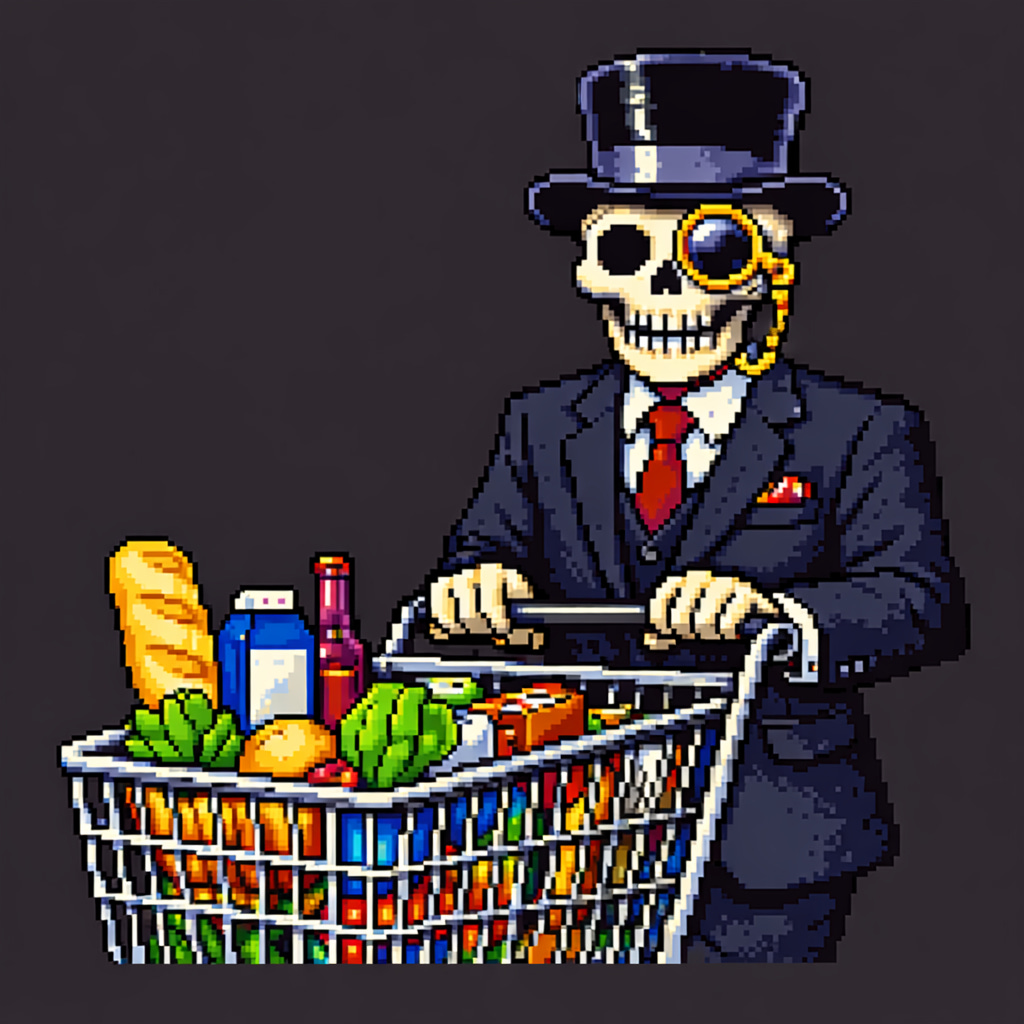
One member of the middle class faction, a character named John English, responded to the results of the vote by raising prices in his grocery store by 25%.
Residents of the working class briefly considered responding with a lawsuit (there’s a mechanic for this). They decided to organize a boycott of English’s grocery stores instead. Scout Bennett, a local activist with political ambition, set up a carpool to take boycotting residents to the grocery store in the neighboring town.
This ended up becoming the first community crisis. These were the terms of the crisis, which we worked out on the spot:
John English’s income will be reduced by half for the duration of the crisis.
All members of the working class and middle class will see their grocery bill increase by 25% for the duration of the crisis unless they decide to participate in the boycott.
All boycotting members of the working and middle class must pay $30 per session for the duration of the crisis. This amount will be added up at the conclusion of the crisis and deducted from their account balance.
I also made sure both sides understood these penalties would increase the longer the community crisis went unresolved.
Initially, the wealthy faction offered to rent a bus to support anyone participating in the boycott. This would have reduced the cost significantly.
However, class ended before the details of the deal could be finalized. Three members of the wealthy faction missed the next class, so the promised support never materialized.
Instead, the working class and middle class took advantage of their absence. They voted to lower the middle class tax rate to 5% and increased the tax for the wealthy faction to 20%.
Notes and Observations
The poorest character is Avery Lint, an independent contractor who has an account balance of -$449.80.4 Luckily, another student is playing as Jo Temple, a minister with access to a small Community Fund he can spend on anyone except himself. Lint could not find steady work last week, so Temple paid Lint’s rent. In exchange, Lint promised to replenish the fund with his next paycheck.
The richest player is Robin Vanderbilt, the landlord. When other students pay rent, it goes to her. She currently has an account balance of $280,894 (about $50,000 more than the next richest member of her faction). Other members of the wealthy faction have mechanics for generating extra money, but they’re not using them yet. They’ll need to be evenly balanced, since each member of the wealthy faction also has the personal goal of finishing as the richest character in the game.
Some students are coming to class dressed in character (with company name tags!) Others are printing out and distributing campaign materials for elections next week. One student prepared and delivered a stump speech during today’s class. It will be interesting to see how next week’s elections go.
Eat the Rich RPG © 2026 by Andrew Ridgeway is licensed under CC BY-NC-SA 4.0.
I use the Game Log and ChatGPT to generate a short draft before class each morning, which I then edit as needed. But I’m hoping to pass this off to the Mayor, as soon as the class elects one.
Major actions are recorded in the Game Log, by one of the journalists or by the instructor. If it isn’t in the Game Log, it didn’t happen.
As an independent contractor, Lint has a special ability that requires him to roll at the start of each week. Depending on the outcome, he either earns nothing, his regular salary, or twice what he normally makes. Unfortunately, the student playing Lint has been rolling very badly.
Brilliant how the grocery boycott emerged organically from the tax vote dispute. That escalation from policy disagreemnt to economic action mirrors real coalition dynamics way better than lecture material ever could. The emergent crisis mechanics forcing both sides to absrb costs is especially clever game design.